Threats to Monarchs from Pesticides
Pesticides — particularly insecticides and herbicides — present a serious existential threat to monarchs and other beneficial insects. And some pose a serious threat to human health as well.
Read on to learn about these common — and dangerous — synthetic chemicals and what you can do to protect the monarch butterfly and your own health!
Insecticides
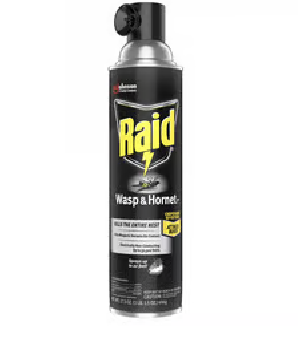
Insecticides kill insects by attacking their nervous system, hormones, or protective coating.
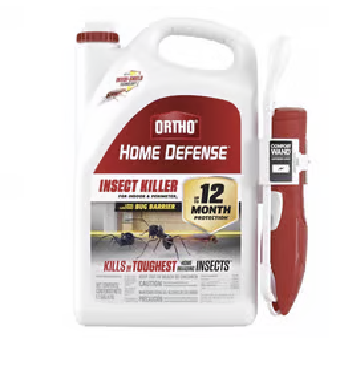
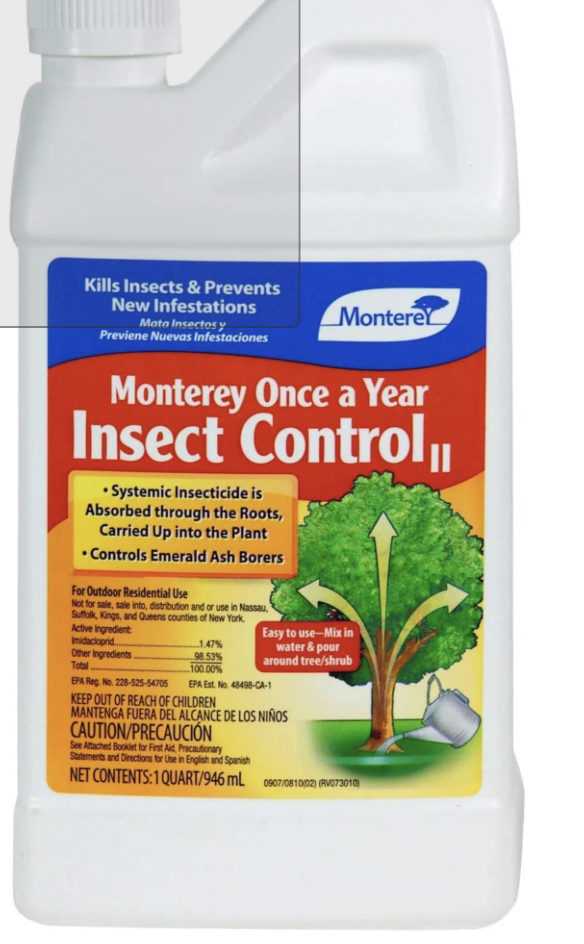
Many chemical (synthetic) insecticides are highly toxic to monarch butterflies, particularly the class of neonicotinoid insecticides (AKA neonics). One of the most toxic neonicotoinoids is imidacloprid. It was developed to control a variety of insects in agricultural and residential sites. It is also used in flea and tick treatments and for indoor ant and cockroach control.
Research indicates that imidacloprid is moderately to highly toxic to monarchs, bees, and other insects as well as to birds, humans, and other mammals. The EPA has concluded that it likely adversely affects 79% of federally endangered or threatened species. In humans the effects of short-term exposure to this chemical include headache, dizziness, nausea, and fatigue. Researchers have found long-term exposure associated with serious cognitive and reproductive harms.
From 1999 to 2018, imidacloprid was the most widely used insecticide in the world. In 2018, as information about its toxicity became available, it was banned for outdoor use by countries in the European Union.
It still has partial approval in the United States. In California, products containing imidacloprid cannot be used on lawns or ornamental plants but is approved for use by a certified professional in fruit and vegetable gardens as well as at agricultural sites. It is also permitted in pet flea and tick treatments and for indoor pest control.
For an informed and engaging perspective on the use of insecticides in reducing the mosquito population, check out this interview with Nancy Lawson, an author, naturalist, and habitat consultant based in Maryland who promotes animal-friendly planting strategies and challenges.
Herbicides
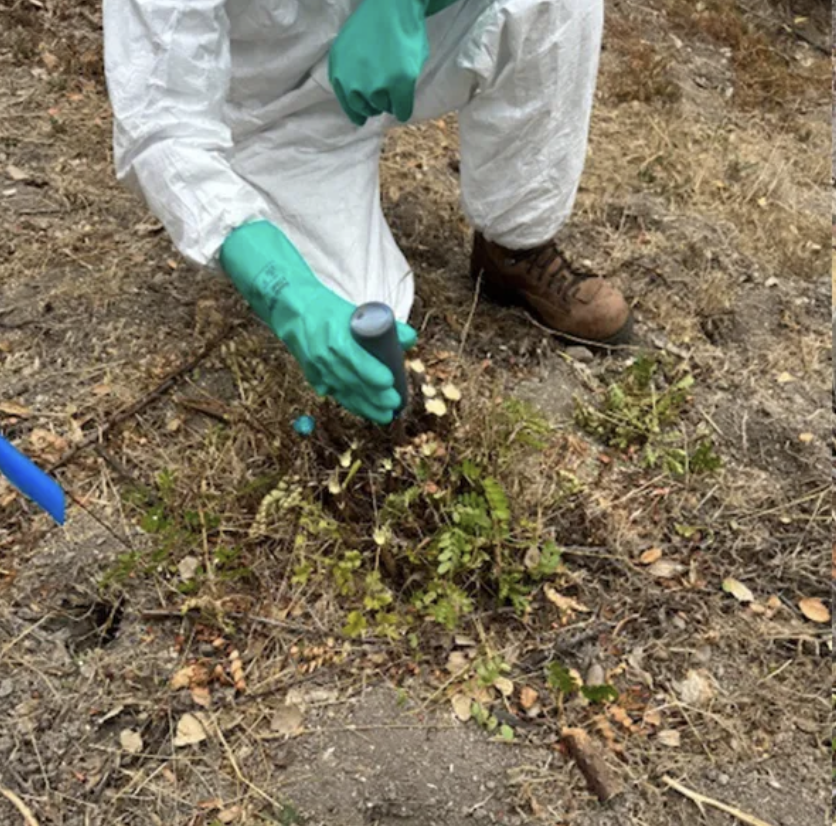
Herbicides are substances used to control weeds. Selective herbicides target specific weed species, leaving other plants relatively unharmed. Non-selective herbicides (sometimes called “total weed killers”) kill plants indiscriminately.
Most chemical herbicides are applied as water-based sprays. They attach to the roots and leaves of weeds, making the unwanted plant’s cells grow out of control.
Herbicides harm monarchs by killing milkweed, the only plant on which monarchs lay their eggs and on which monarch caterpillars feed.
Milkweed used to be found scattered throughout agricultural fields in the Midwest. In fact, monarchs used to lay more eggs on milkweed within farm fields than outside them. Now milkweed is largely absent from these fields due to the use of chemical herbicides.
In addition to their role in habitat destruction, some chemical herbicides are known to have serious health effects on humans. Researchers have identified serious health effects on humans from exposure to chemical herbicides. Two herbicides appear to be particularly harmful: 2,4-D and glyphosate.
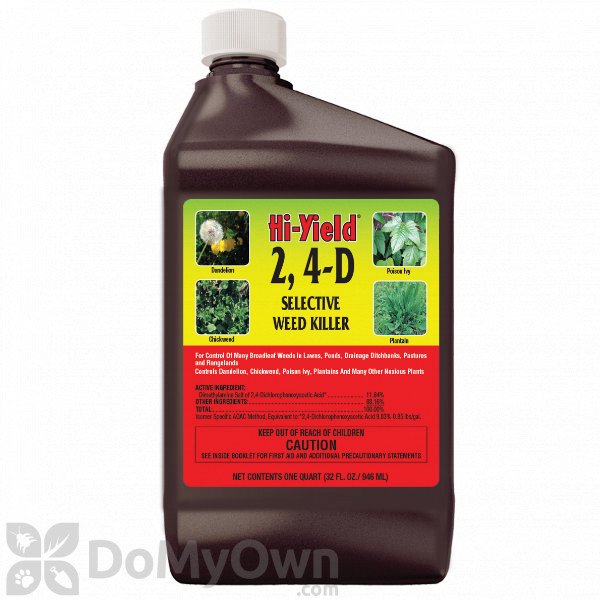
The first of these, 2,4-D (dichlorophenoxyacetic acid) was first commercially released in 1946. It was quickly adopted throughout the world due to its effective ability to target weeds without damaging grasses.
It was a component of Agent Orange, a chemical used to defoliate jungles and agricultural sites in South Vietnam during the war.
Research suggests that low-level exposure to 2,4-D may not have health effects on humans, but high levels of exposure, such as those incurred by farmers suggests an increased risk of lymphatic system cancers, especially non-Hodgkins lymphoma. World Health Organization’s International Agency of Research on Cancer declared it a possible human carcinogen in 2015.
Herbicides containing 2,4-D are still widely available. For instance, the chemical company Corteva sells a product containing 2,4-D called Enlist One that is sold throughout the US.
The second harmful herbicide, glyphosate, became widespread in the 1990s. Its effectiveness in targeting unwanted weeds resulted in the virtual disappearance of milkweed from fields and along roadsides throughout the country.
As glyphosate use exploded across the country, there were some signs that it was associated with cancer and other serious illnesses, particularly in farmers and other agricultural workers heavily exposed to this herbicide.
However, an influential study published in 2000 in a respected scientific journal (Regulatory Toxicology and Pharmacology) concluded that the majority of research evidence indicated no significant human health risk.
This did not accord with the experience of physicians and their patients, and numerous lawsuits were filed against Monsanto.
The drama continued in April of 2026, when the journal officially retracted the article they had published in 2000 finding little health impact of glyphosate. This action was prompted by the discovery of emails showing that the article had based its conclusions largely on unpublished studies by Monsanto (the manufacturer of glyphosate) rather than independently collected data. There were also indications that the authors may have received financial compensation from Monsanto for their work.
Roundup (glyphosate) in the News
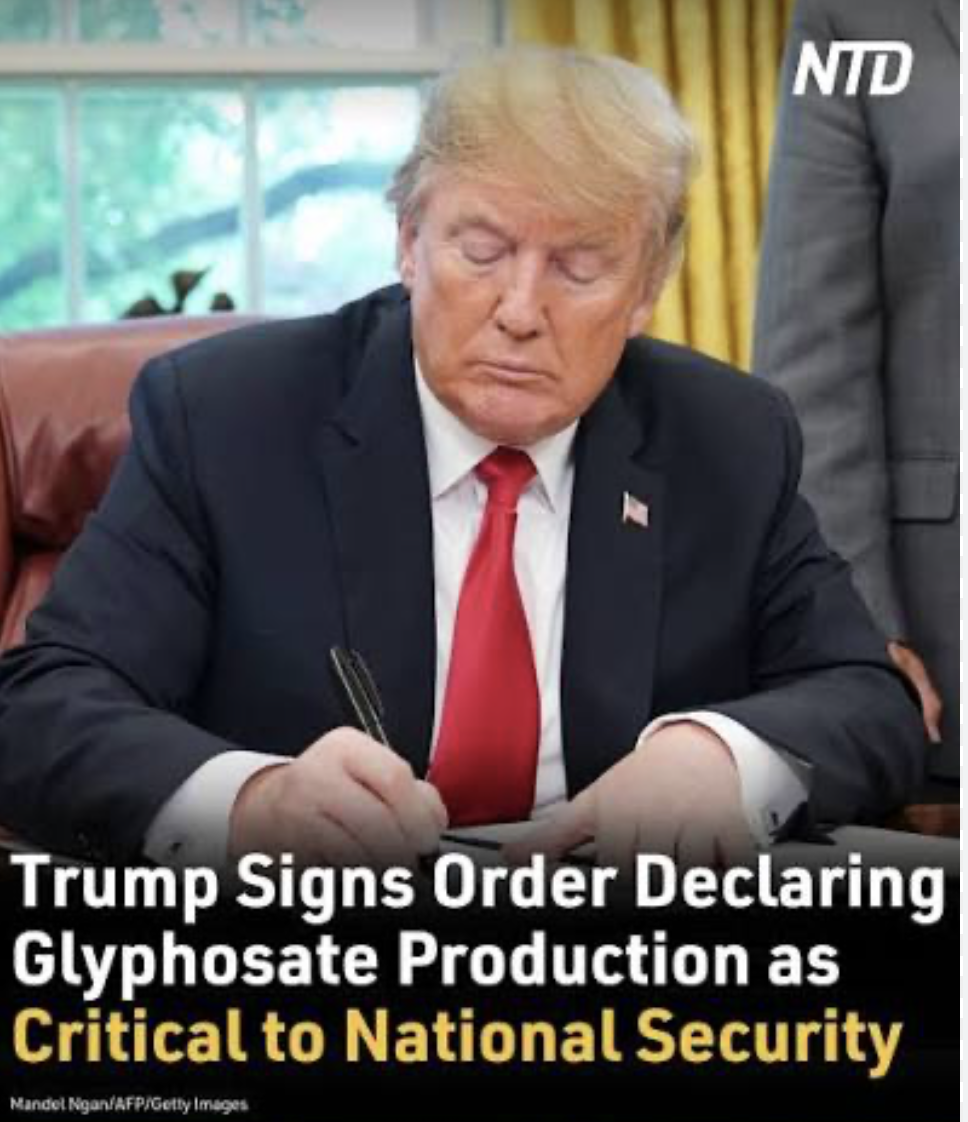

The federal government continues to support the use of glyphosate. In February of 2026, President Donald Trump issued an Executive Order to promote “an adequate supply of elementary phosphorus and glyphosate-based herbicides.” Trump’s order invoked the Defense Production Act, a law that compels companies to produce certain materials or supplies that the president deems necessary for national defense.
In defense of his action, Trump argues that “lack of access to glyphosate-based herbicides would critically jeopardize agricultural productivity, adding pressure to the domestic food system.”
His decision came shortly after Bayer agreed to pay as much as $7.25 billion to resolve tens of thousands of lawsuits, brought mainly by private gardeners who linked it to their cancer diagnoses. Bayer has not admitted livability or wrongdoing and continues to sell the product.
The controversy surrounding this order was compounded by Robert F. Kennedy’s support of Trump’s action, a position that was strongly resisted by members of the Make America Health Again movement.
Facing the potential of many more lawsuits, Bayer has urged Congress to pass a provision that would shield pesticide makers from having to pay further damages.
What are the implications for the home gardener in Marin?
In spite of the controversies surrounding its health effects, the overall popularity of Roundup over the past 40 years has led to unprecedented name recognition. It is offered for sale in almost all “big box” stores and even advertises on television. To capitalize on this popularity, companies have taken great liberty with the Roundup name brand, expanding it to include 16 unique formulations of Roundup.
If you are determined to use a chemical herbicide, be aware that there are a number of products under the Roundup brand. Some pre-diluted “read to use” products have no glyphosate and other concentrates have a very high level of glyphosate.
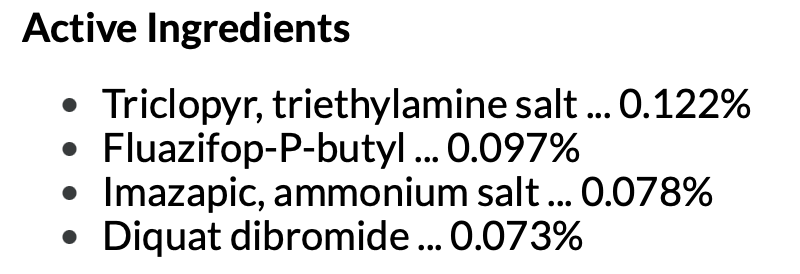
Roundup with no glyphosate!
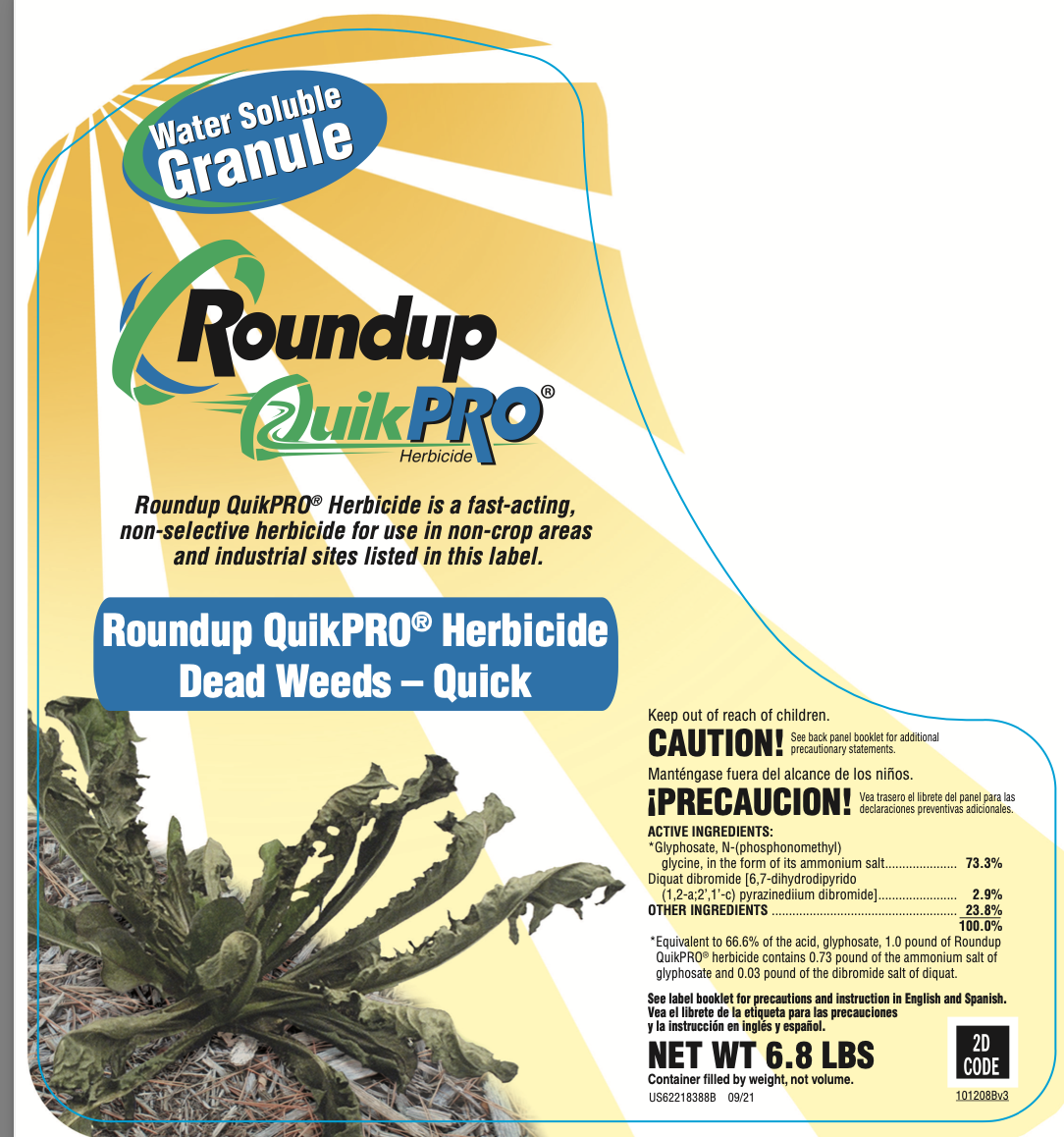
Roundup with lots of glyphosate!
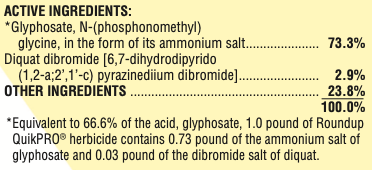

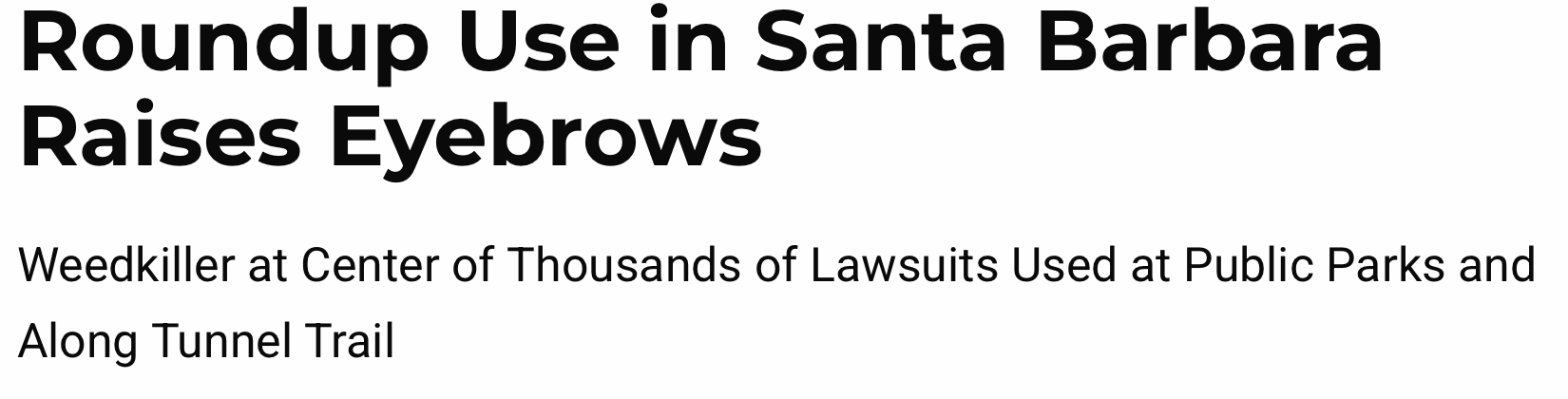

As of June 2026, community resistance to glyphosate in the county and beyond is growing. Stay tuned for updates!
What’s the policy on glyphosate in Marin?
According to the Sierra Club, the county has banned the use of glyphosate except in very special circumstances. But not all cities and town in Marin have followed suit.
We are asking residents, business owners, school kids, and shoppers in Novato, San Rafael, Mill Valley, and Tiburon to send in an email or letter to the City Council, calling on them to discontinue the use of toxic pesticides on land they own or manage and to adopt Marin County's IPM (Integrated Pest Management) protocols. The more these protocols are standardized, the better our chances to live toxic-free in all of Marin!
There are many alternatives to using chemical insecticides and herbicides in home gardens, public spaces and agricultural lands.
Home gardeners can use organic pesticides like neem oil, avoid compaction in the soil to promote healthy plant growth, remove insects by hand or by spraying them with water, and introduce natural enemies such as, in the case of aphids for example, the lady beetle.
Check out the website maintained by the organization Beyond Pesticides for a wealth of information and suggestions about alternatives to pesticide use in home and public gardens.
Check out the section on agricultural land in this website to learn about alternatives to pesticide use in these settings. For instance, hedgerows can be designed to shade out weed species like poison oak and to provide shelter for predaceous insects that can help control common crop pests.
Read on to learn about Integrated Pest Management (IPM), an approach in which chemical control of pests is an option of last resort!
What is Integrated Pest Management (IPM)?
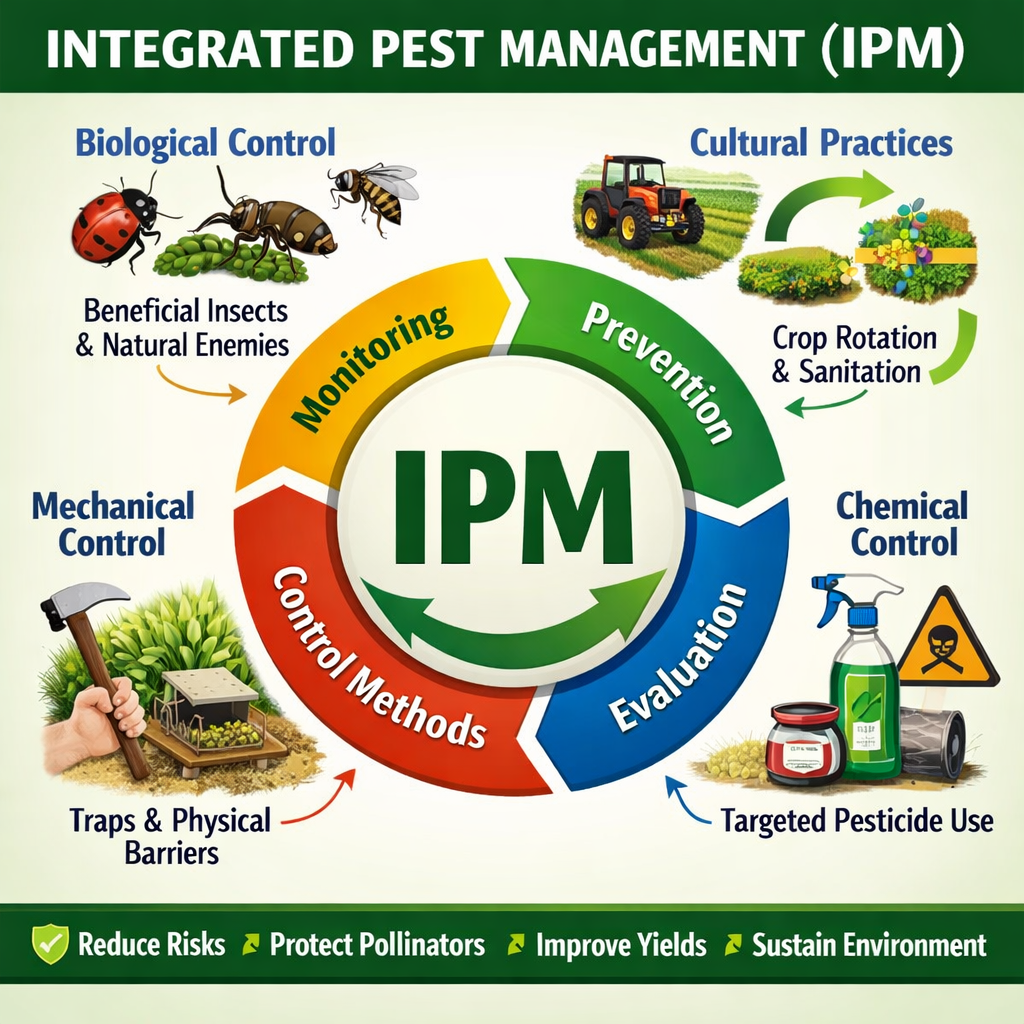
The basic IPM approach is to prevent pests and the damage they cause by managing the ecosystem. For example, grow a healthy crop that can resist pest attacks or using disease-resistant plants. This involves looking at the environmental conditions that affect the pest’s ability to thrive and then creating conditions that are unfavorable for it.
Monitoring the site is also important. By identifying pests and note the damage they have caused, it is possible to discern how much of a problem a pest poses.
When harmful pests are observed, develop a a combination of management approaches to reduce their numbers:
biological control (e.g., beneficial insects and natural enemies)
cultural control (e.g., crop rotation)
physical control (e.g., traps)
Use chemical control (targeted pesticide use) only as a last resort.
Then in the 1940s chemical pesticides -- also called synthetic pesticides – were developed and became widely used on agricultural crops.
Harmful to a wide array of plants and animals other than the target species, synthetic pesticides are also known for their persistence, often lingering in soil, water, and living organisms for decades.
Concerns about the harmful effects of synthetic pesticides arose shortly after their development. In 1959, these concerns were articulated in an scientific article tat clearly and concisely described the consequences of pesticide overuse and detailed their vision of a sustainable pest control system. Based on ideas presented in this paper, scientists developed an approach called “supervised insect control.” This approach advocated supporting natural-enemy populations in an area and using synthetic pesticides only as a last resort.
Throughout the 1960s, this approach was further refined, resulting in Integrated Pest Management (IPM), an approach that is still widely used in many agricultural and open spaces as well as in urban areas.
One excellent source of information about pesticides is the Beyond Pesticides website. Highly recommended!
A Brief History of Integrated Pest Management
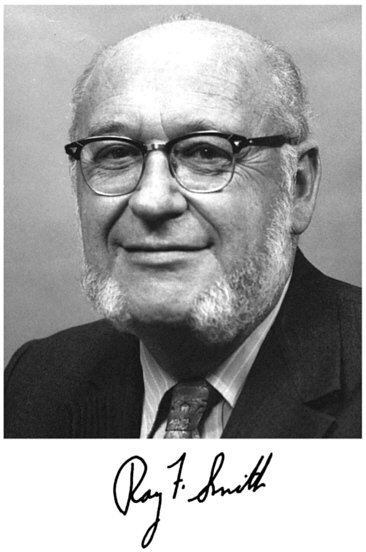
Two individuals, Ray Smith and Perry Addison are generally credited as leaders in the development of the Integrated Pest Management approach. In 1972 UCB professor Smith became associate project director of the Huffaker Project, which coordinated IPM research projects across 18 universities in the US. Perry Adkisson, a professor at Texas A&M University, was his close associate on the Huffaker Project.
Smith and Adkisson were awarded the World Food Prize in 1997 for their achievements in implementing IPM in the US and in developing countries.
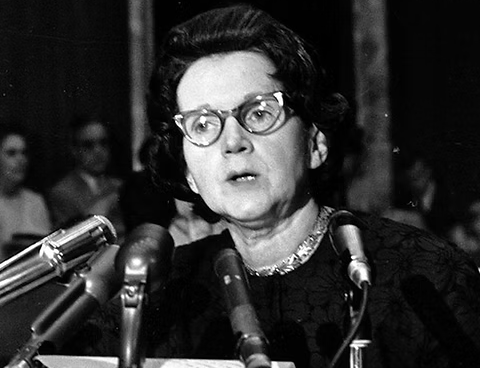
Rachel Carson was hugely influential in bringing concerns about synthetic pesticides to the general public. A marine biologist and writer, she communicated scientific information in clear and compelling articles and books read by the general public as well as specialists. Her most influential book was Silent Spring, published in 1962. Highly praised by the scientific community, she nevertheless sustained strong attacks by the chemical industry, whose representatives challenged her research and mocked her as a “bird and bunny lover.” However, in 1963 John F. Kennedy’s Science Advisory Committee issued a report backing Carson’s scientific claims. Carson is widely credited as one of the chief inspirations behind the environmental movement in the US.
Integrated Pest Management in Marin Open Space
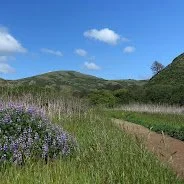
Areas in Marin managed by the federal government adhere to the IPM approach. IPM is cited as a governing principle within the Golden Gate National Recreation Area and Point Reyes National Seashore, for example. Herbicides are used as little as possible, mostly for removing invasive non-native plants. Similarly, insecticides are rarely used and typically involve only targeted approaches such as wasp sprays in public areas.
Marin County has also endorsed the IPM approach. The IPM Commission is charged with overseeing implementation of the Marin County IPM policy as well as planning, advising and making recommendations to the IPM Coordinator and Board of Supervisors. This website by Our Water Our World also offers helpful ideas for controlling pests using natural methods.

IPM in Marin’s Cities and Towns
Within Marin, each city or town controls its own pest-management policies in its buildings, parks, and roadside spaces. The city with the strongest anti-pesticide policies is Fairfax, which prohibits the use of all synthetic pesticides in parks, open space parcels, public rights-or-way, and town owned and maintained buildings.
Fairfax is an IPM pioneer. In 2001, the town council approved an ordinance — authored by council member Frank Egger — that required property owners to notify their neighbors prior to using herbicides and pesticides. This ordinance, the first of its kind in California, was intended to protect residents from chemical sprays that can drift downwind, linger in the soil and migrate via surface-water runoff.
Other towns that have banned some lethal pesticides such as glyphosate: Novato, San Rafael, Larkspur, Mill Valley.
Pesticide Free Zone is an effective local organization focused on reducing the use of pesticides throughout the county. Established in 1997, a primary objective of this coalition of businesses and organizations was working with the County government to implement an integrated pest management (IPM) strategy. That goal was realized in December 1998 when the Marin County Board of Supervisors passed the IPM Ordinance, which was subsequently revised in 2010.
The group is currently focused on encouraging the use of IPM in home and school gardens.
The MMWG was selected by the Marin Board of Supervisors to receive the 2024 Integrated Pest Management (IPM) Award. This award is presented annually to “the person, county employee, or organization deserving of special recognition due to their support of the tenets of IPM.” The commendation acknowledged the MMWG for creating “much needed opportunities for education about the impacts of pesticides on the beloved monarch butterfly, in addition to facilitating citizen science programs and advocacy.” Check out the IPM Commission webpage for more info on our award.

Ed Nute and Mia Monroe, co-founders of the MMWG, along with Dana Swisher, executive director of Refugia, celebrating the MMWG’s award at the Civic Center.
Pesticide Use in Marin’s Agricultural Spaces
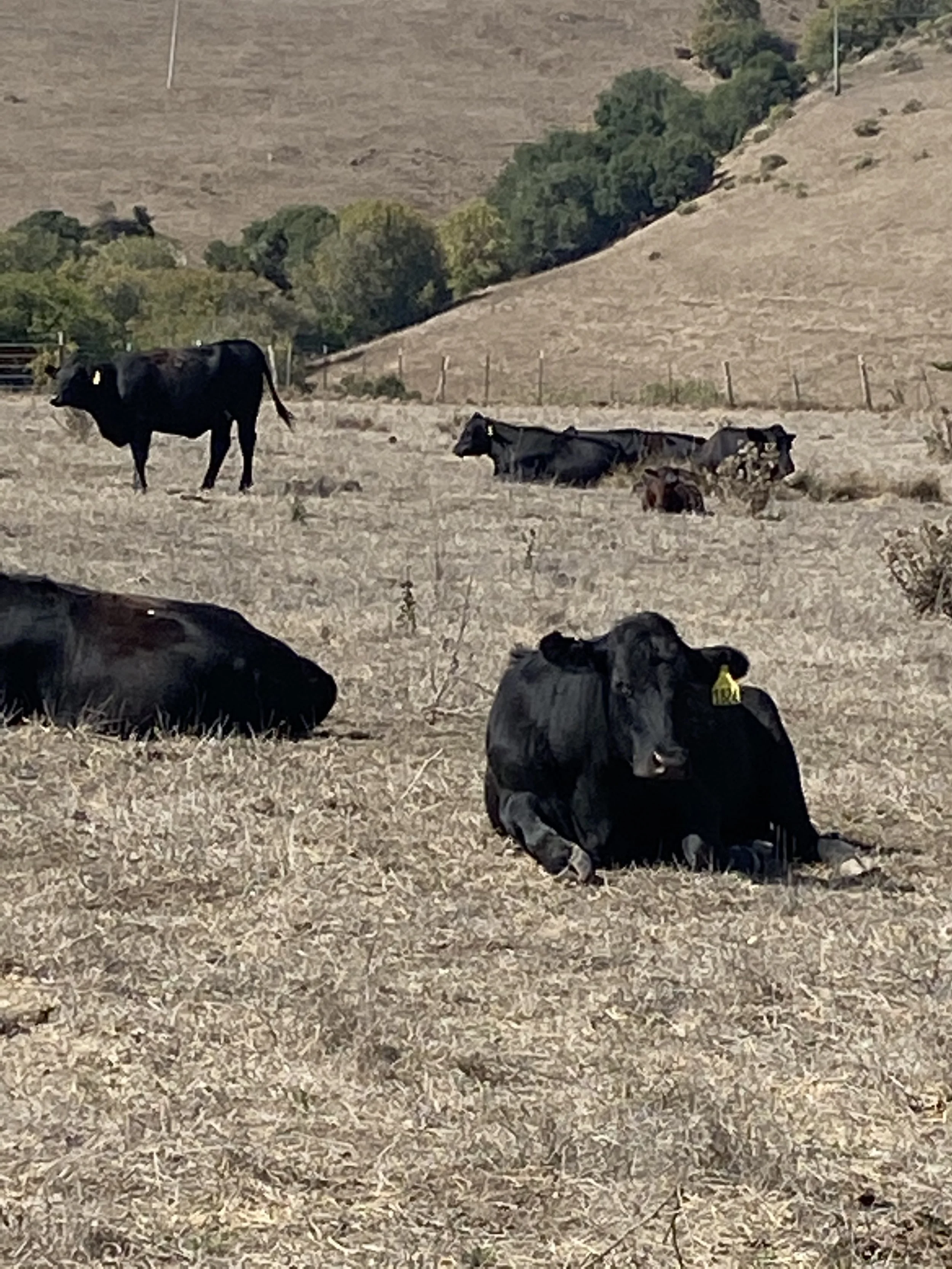
Nationwide, the majority of pesticides are used in agriculture, which includes crop cultivation as well as livestock (beef and dairy) production. Non-agricultural uses of pesticides represent only 10-15 percent of the global market by value.
Approximately 50% of Marin is farmland. The most common pesticides reported on Marin farmland are the following:
Glyphosate — herbicide used to control weeds on crop land, pasture edges and around agricultural infrastructure
Aminopyralid (broadleaf weed control) and Clopyralid: herbicides used to control problematic weeds in pasture and grazing areas
Are synthetic pesticides allowed on agricultural land in Marin?
Marin does not have a general ban prohibiting the use of synthetic pesticides on private agricultural lands.
The Marin County Dept of Agriculture, Weights & Measures enforces pesticide use to ensure that California-approved pesticides are used and that commercial applicators are trained, licensed, and compliant with state and federal laws.

Star Route Farms in Bolinas and Thermal are certified organic farms
Is MALT involved in regulating pesticide use?
MALT does not ban or specify pesticide policies, but their stewardship work supports sustainable land management that implicitly aligns with ecological health goals, which includes soil and water quality — issues that can be affected by pesticide practices.
MALT’s conservation easements remain privately owned and the landowners retain rights to farm the land, including decisions about production practices.
Are there indirect effects of pesticide use on agricultural lands?
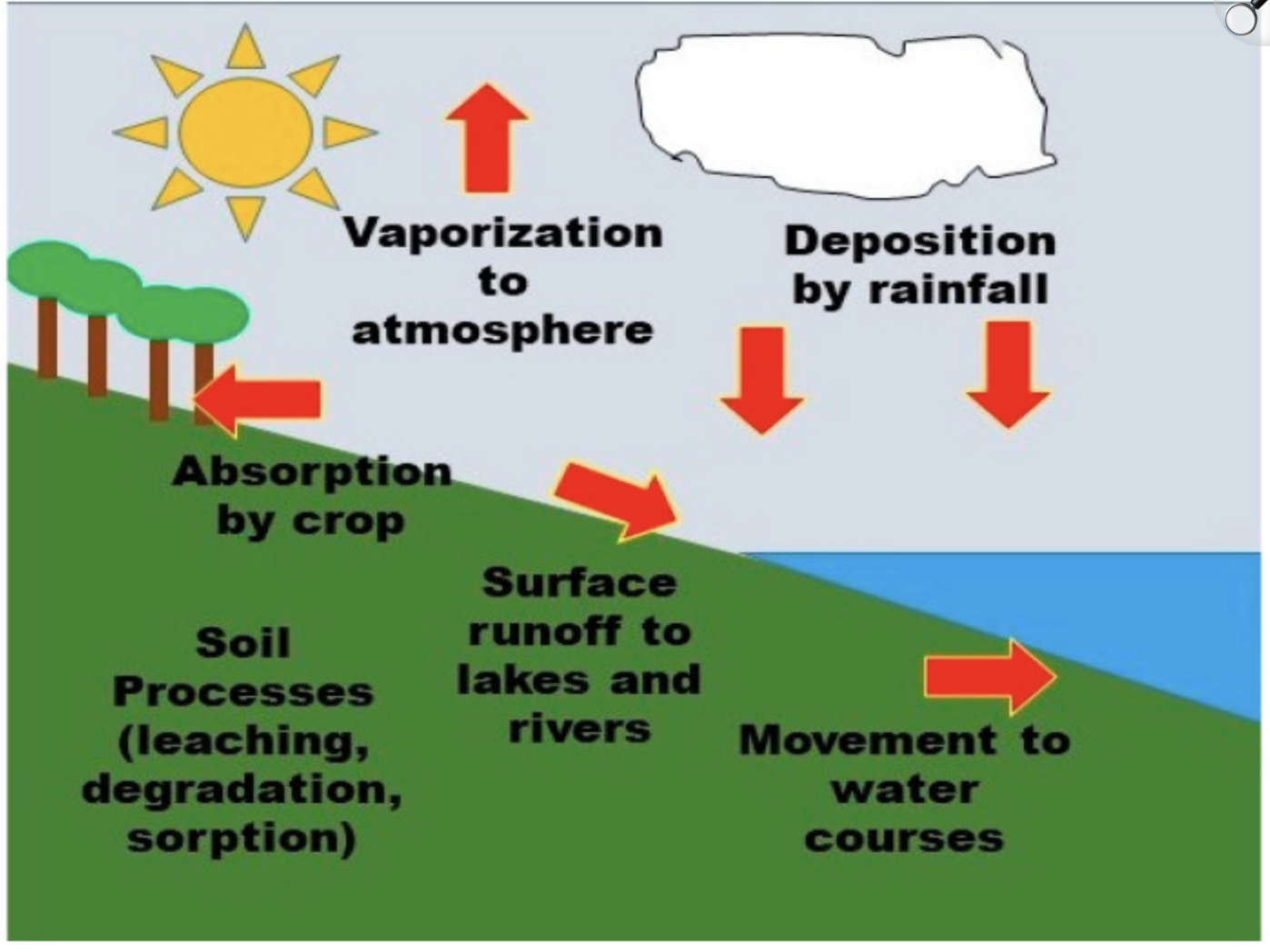
Yes, generally speaking, the effects of pesticides used in agricultural settings are found in wild as well as urban spaces. Pesticides can be absorbed into the soil where they may move below the surface into creeks, wetlands and riparian habitats. They can also run off the soil surfaces, ending up in storm drains connected to urban areas and waterways in wild areas. Some pesticides bind to soil particles and move downslope into wetlands. And they can drift as dust particles or tiny droplets into neighboring habitats. Recent research has demonstrated the presence of a variety of pesticides on milkweed in urban, wild, and agricultural spaces in Northern California.
Look at the Marin Countywide Stormwater Pollution Prevention Program website for more information about pesticides in Marin’s waterways.
What about the particular effects of agricultural pesticides on monarchs?
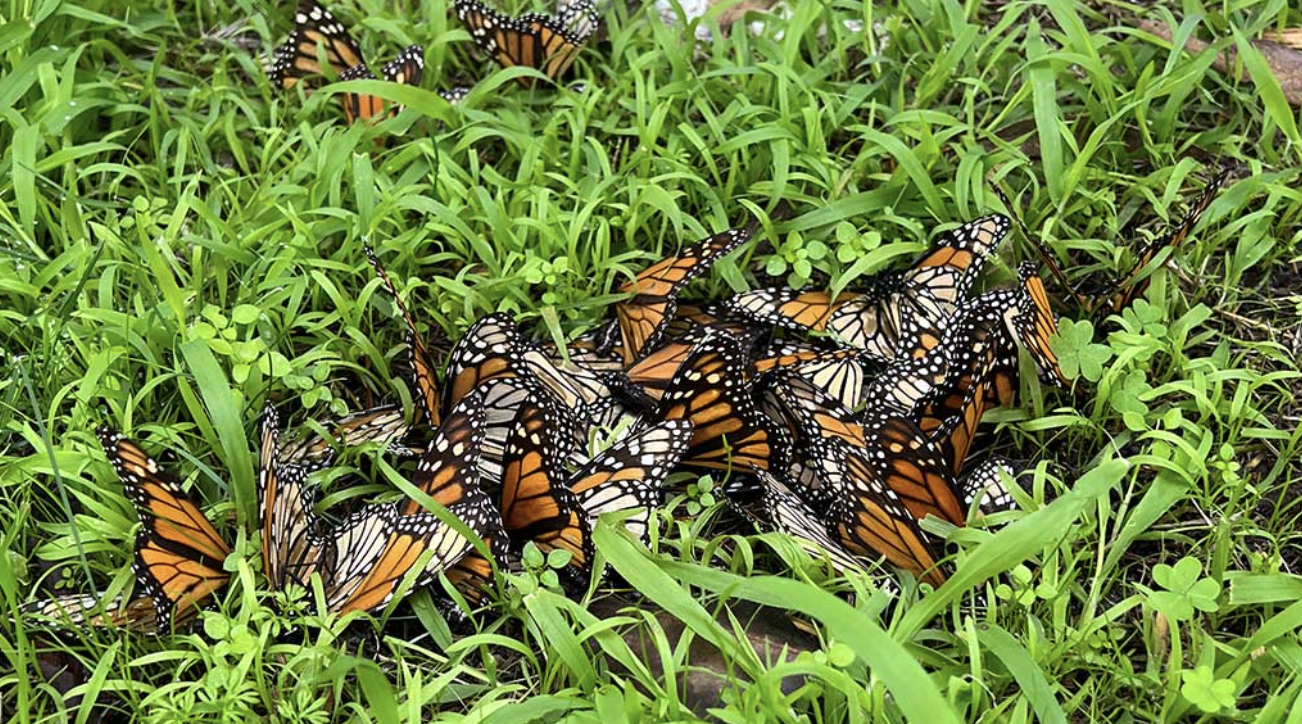
Even though Monarch butterflies do not typically congregate in agricultural spaces, they are nevertheless vulnerable to the poisonous effects of inappropriate use of pesticides in these areas.
For example, for a study conducted in the Central Valley of California researchers collected milkweed from 19 sites representing different land use types. They then tested for the presence of one or more pesticides on every plant. The sampling occurred during June, when monarch larvae were likely to be present on the milkweed. They found a variety of pesticides on every sample, even at sites with little or no direct pesticide use. The authors conclude that their findings support the idea that pesticide exposure from agriculture could be a contributing factor to Western monarch declines.

Which Marin Nurseries Practice IPM?
Adherence to IPM varies significantly from one nursery to another. The highest adherence can be found in local nurseries that are devoted exclusively to native plants and that have certifications or sustainability programs.
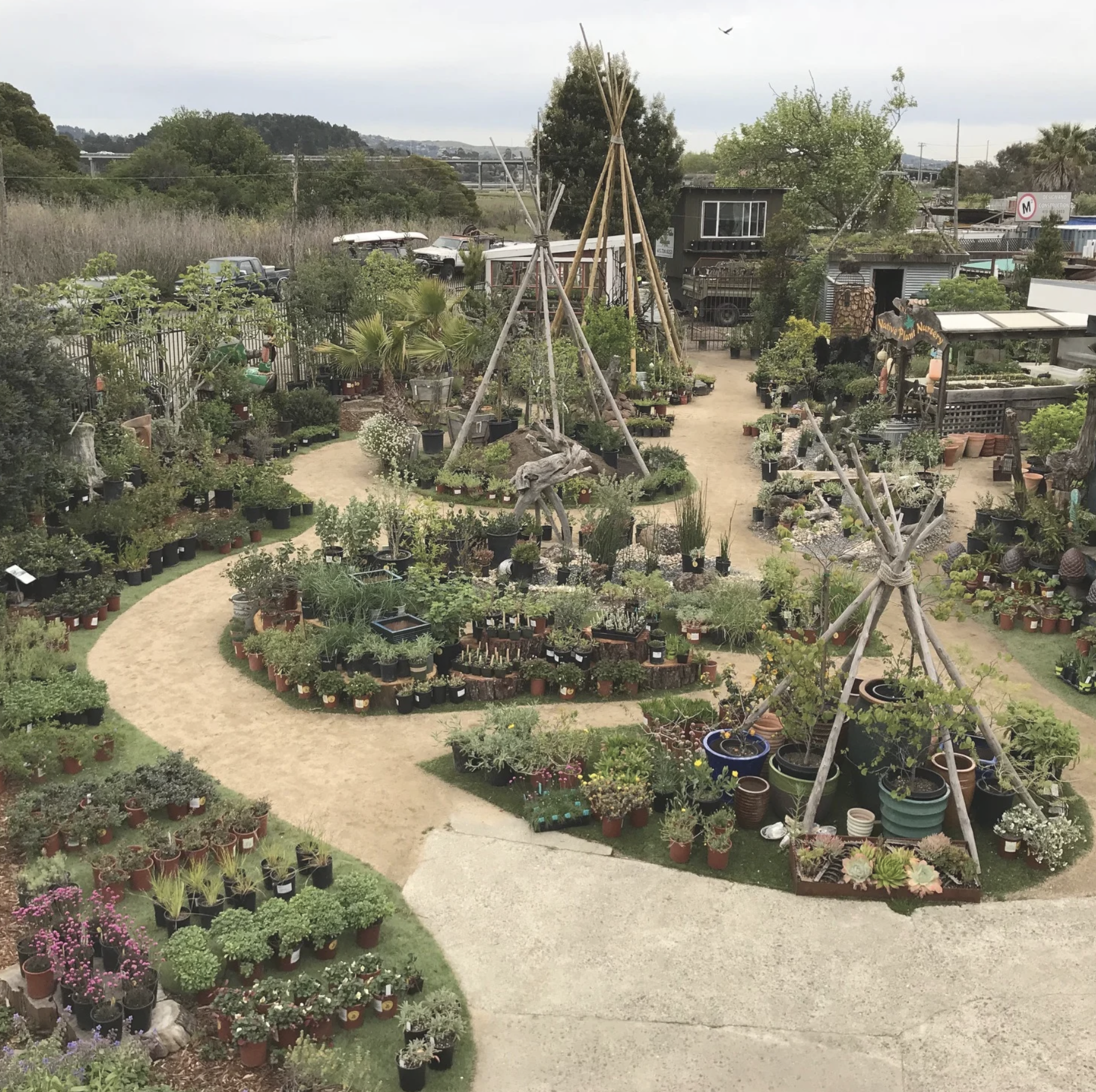
The following are some of the nurseries in Marin that focus on California native plants and neither use pesticides on their stock nor advocate its use for purchased plants.
Home Ground Habitats: 1875 Indian Valley Road, Novato
California Native Plant Nursery: 254 Shoreline Hwy, Mill Valley
O’Donnell’s Fairfax Nursery: 1700 Sir Francis Drake Blvd, Fairfax
Most other independent retail nurseries and conventional garden centers are likely to use parts of IPM but may not always have a firm policy of using chemical pesticides as a last resort.